
FIRST AID
First aid refers to the emergency or immediate care you should provide when a person is injured or ill until full medical treatment is available. For minor conditions, first aid care may be enough. For serious problems, first aid care should be continued until more advanced care becomes available
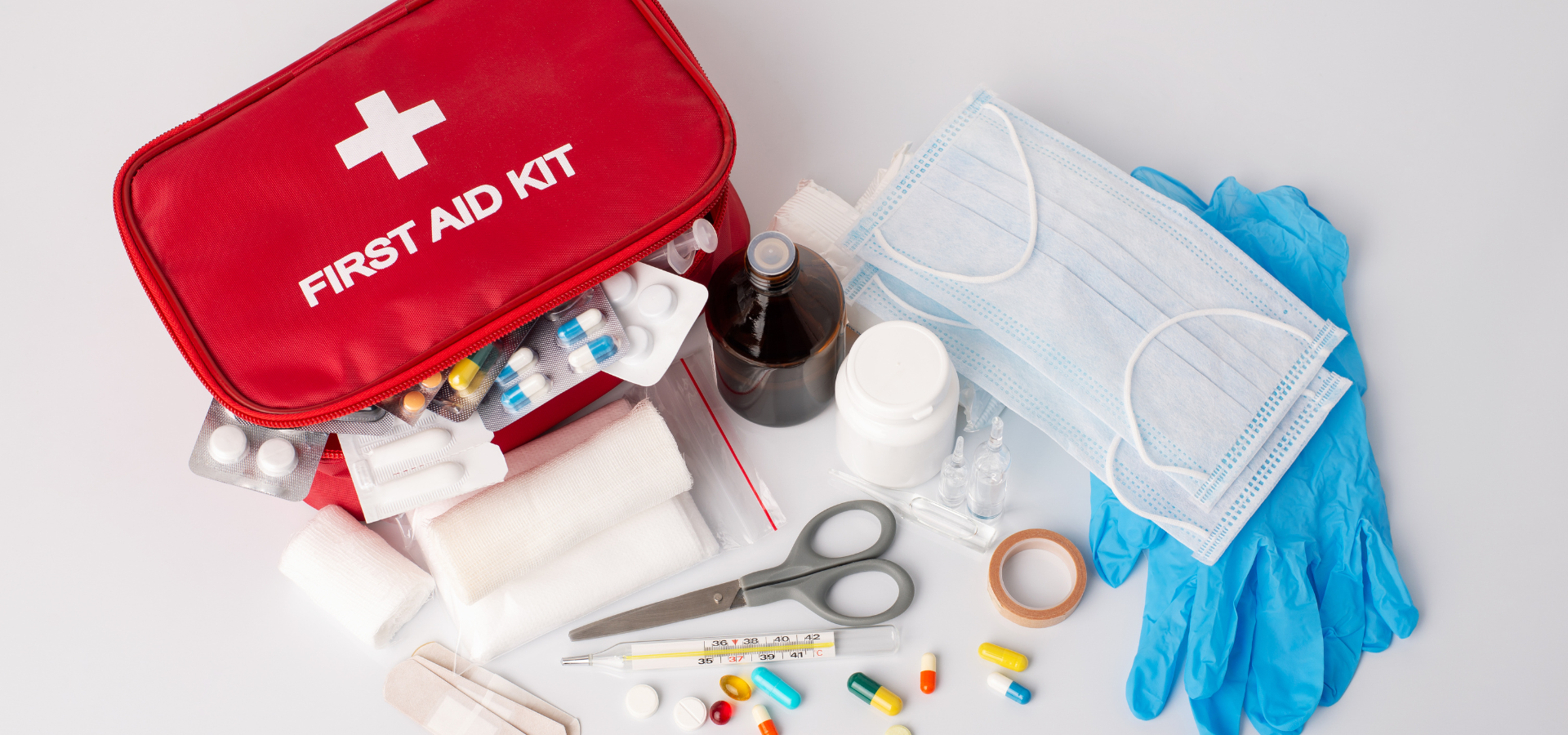
First Aid Steps

1. Check the scene for safety
form an initial impression, obtain consent, and use personal protective equipment (PPE)

2. If the person appears unresponsive
Check for responsiveness, breathing, life-threatening bleeding, or other life-threatening conditions using shout-tap-shout. CHECK for no more than 10 seconds

3. If the person does not respond
responds but is not fully awake, is not breathing or is only gasping, or has life-threatening bleeding or another obvious life-threatening condition, CALL 9-1-1 and get equipment, or tell someone to do so. Then, give CARE based on the condition found and your level of training, and continue your check to determine if additional care is needed. For a person who is unresponsive and not breathing, start CPR and use an AED immediately.

4. If the person is responsive or responds to stimulation:
- Interview the person (or bystanders, if necessary), ask questions about signs and symptoms, allergies, and medications and medical conditions (SAM)
- Do a focused check based on what the person told you, how the person is acting and what you see
- Do not ask the person to move if you suspect a head, neck or spinal injury. Do not ask the person to move any area of the body that causes discomfort or pain
- As you check the person, take note of any medical identification tags
5. After completing the check step
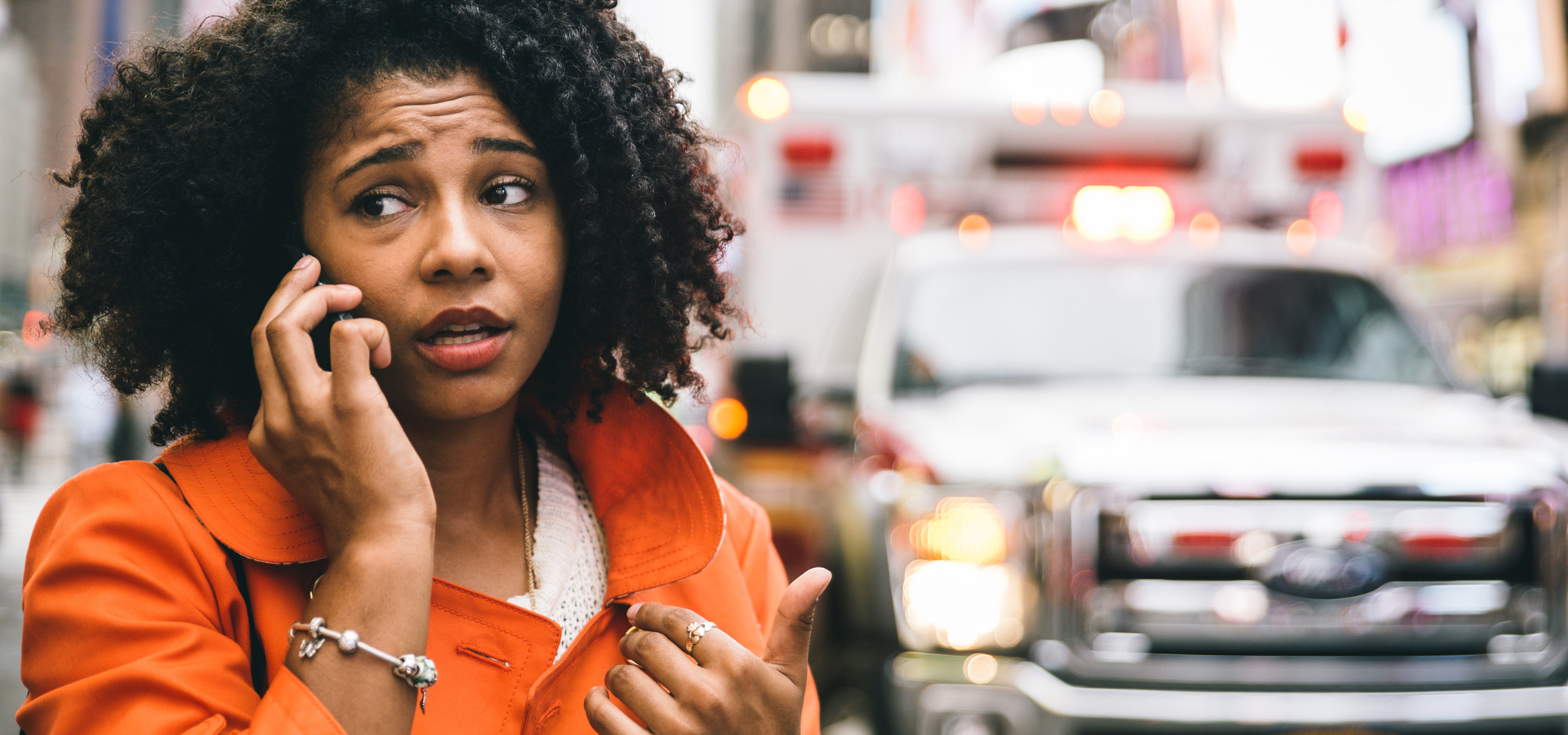
CALL 9-1-1 and get equipment, or tell someone to do so (if needed). Then, give CARE based on the condition found and your level of training
Assessing the Scene
It is important to make sure the scene is safe, and that there is no danger threatening you or the person you are trying to help. Even after you begin providing first aid, you must remain aware of your surroundings, and alert to anything on the scene that might change and put you in danger
Is there danger for myself or the person I am trying to help?
- You should only move an injured person if they are in danger, or if you need to in order to safely provide first aid or CPR.
Are there others around to help?
- If there are, you can have someone else call 9-1-1. If not, you will have to do it yourself.
Who is ill or injured?
- Can you tell how many people are hurt, and what happened?
Where are you?
- You’ll need to tell the 9-1-1 dispatcher how to reach your location. If there are any bystanders nearby who can help, you can send one of them to meet the emergency responders and lead them to the scene.

Phoning for Help
As you assess the need for first aid, you’ll need to know when and how to phone for help. Calling 9-1-1 activates the EMS network of responders. Make sure that you also know where the nearest phone is. First aid kits and AEDs are often stored near emergency phones.
When to Phone for Help
Your company may have guidelines on when you should call 9-1-1 emergency services. As a general rule, you should call 9-1-1 when someone is seriously injured, or if you don’t know what to do in an emergency.
You should call 9-1-1 if the person you’re trying to help:
- Won’t respond to voice or touch
- Has chest discomfort indicating a possible heart attack
- Shows signs of a stroke
- Has trouble breathing
- Has a severe injury or burn
- Has severe bleeding
- Has a seizure
- Can’t move part of their body
- Has been exposed to poison
- Has received an electric shock
If you are alone:
- Shout for help.
- If no one answers and the person needs immediate help, and you have a cell phone, call 9-1-1 and put the phone on speaker, so that you can listen to the dispatch officer’s instructions while providing care.
If you are with others:
- Stay with the person and be prepared to give first aid or CPR.
- Send someone to call 9-1-1 and get the first aid kit and AED if available.
- Have them put the phone in speaker mode so that you may receive further instruction from the dispatcher.
While on the phone with the dispatcher, do not hang up until they tell you to. Answer their questions. The emergency responders will be able to help sooner and more easily if they know where you are and what the situation is.

Obtaining Consent
The decision to act appropriately with first aid can mean the difference between life and death. Begin by introducing yourself to the injured or ill person. Explain that you are a first aid provider and are willing to help. The person must give you permission to help them; do not touch them until they agree to be helped. If you encounter a confused person or someone who is critically injured or ill, you can assume that they would want you to help them. This is known as “implied consent.
Personal Protective Equipment (PPE)
Personal protective equipment (PPE) refers to protective clothing, helmets, gloves, face shields, goggles, facemasks, respirators, or other equipment designed to protect the wearer from injury or the spread of infection or illness
When used properly, PPE acts as a barrier between infectious materials such as viral and bacterial contaminants and your skin, mouth, nose, or eyes (mucous membranes). The barrier has the potential to block the transmission of contaminants from blood, body fluids, or respiratory secretions.
Proper use of personal protective equipment (PPE) is extremely important; improper use could potentially increase risk of infection especially when providing first aid care.
- For general first aid care provided to an ill or injured person, it is recommended that First Aiders wear a medical-grade face mask, eye protection, and gloves. It is important to conduct proper hand hygiene after each interaction.
- It is recommended that First Aiders take training on prevention of disease transmission that includes how and when to use PPE, donning and doffing PPE, and disposing of all PPE. The Red Cross Preventing Disease Transmission Course is available online at learn.redcross.ca.
- All contaminated PPE must be properly disposed of after providing care.
- Hand hygiene should be performed regularly and when contaminated, including before donning and after doffing PPE.
- Offer a face covering to those receiving care.
- Use a buddy system for donning and doffing PPE, where First Aiders supervise each other to ensure best practices for applying PPE are followed, while maintaining physical distancing.